
Fish provides high-quality protein, vitamins and minerals, while oily fish such as salmon, sardines, trout and mackerel supply long-chain omega-3 fats. For most adults, a practical target is two portions of fish a week, including one portion of oily fish, while choosing a variety of lower-mercury options.
What are the main benefits of eating fish?
Fish can contribute protein and other nutrients to a varied diet. Nutrient content and tolerance differ by species, preparation and portion; fish is not necessarily easier to digest than other protein foods.
Oily fish can supply EPA and DHA. Different species contain different amounts of these fats, vitamins and minerals. Including fish can add variety, but it does not establish that a particular deficiency has been corrected.
How much fish should you eat, and how to start
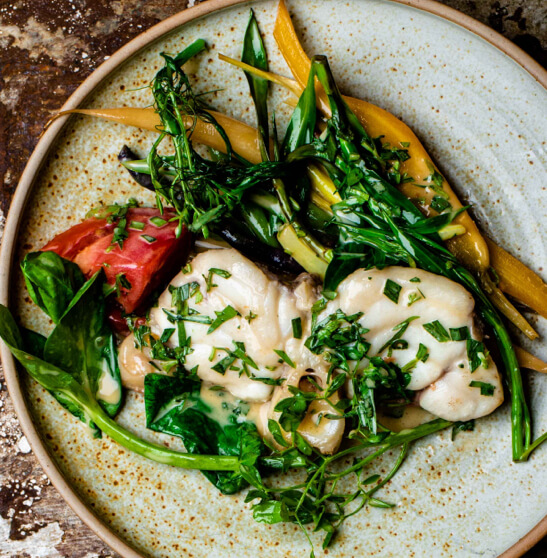
UK NHS guidance recommends at least two portions of fish a week, including one oily-fish portion. A portion is about 140 g cooked. This is population guidance, and recommendations differ by life stage and country.
Fresh, canned or frozen fish can be used in meals. Check added salt, oil and preparation, and choose appropriate species during pregnancy. Individual preferences, allergies and medical advice should guide food choices.
How much fish should you eat?
The NHS recommends at least two portions of fish a week, including one portion of oily fish. The American Heart Association likewise recommends two servings weekly, particularly fatty fish. Needs differ during pregnancy and childhood; FDA/EPA guidance advises two to three weekly servings from lower-mercury choices for people who are pregnant or breastfeeding.
Frequently asked questions
Which fish are rich in omega-3?
Salmon, sardines, trout, herring and mackerel are common oily-fish sources of EPA and DHA. Nutrient content varies by species and portion.
Should pregnant people avoid fish?
No. Fish can provide important nutrients during pregnancy, but species and preparation matter. Follow local lower-mercury guidance and avoid raw or undercooked fish during pregnancy.
Is fried fish equally beneficial?
Fish still provides protein, but baking, grilling or steaming generally adds less fat than frying or cooking in batter.
Sources
- NHS: Fish and shellfish nutrition
- American Heart Association: Fish and omega-3 fatty acids
- FDA/EPA advice about eating fish
This article is for general education and does not replace personalised medical or nutrition advice. Recommendations may differ with pregnancy, allergies, medical conditions or medication use.