
Vitamin D helps the body absorb calcium and supports normal bone mineralization. It also has roles in muscle, nerve and immune function. Few foods naturally contain much vitamin D, and individual needs depend on age, health, sun exposure, diet and other factors.
What does vitamin D do?
Vitamin D is produced in skin exposed to sunlight and is also obtained from certain foods and supplements. Production varies with season and other factors. Fatigue or frequent illness cannot establish a deficiency.
Vitamin D supports calcium absorption and bone mineralisation and has roles in muscle and immune function. These biological roles do not establish that extra vitamin D improves mood, energy or general health in people who already have adequate levels.


How to get enough vitamin D
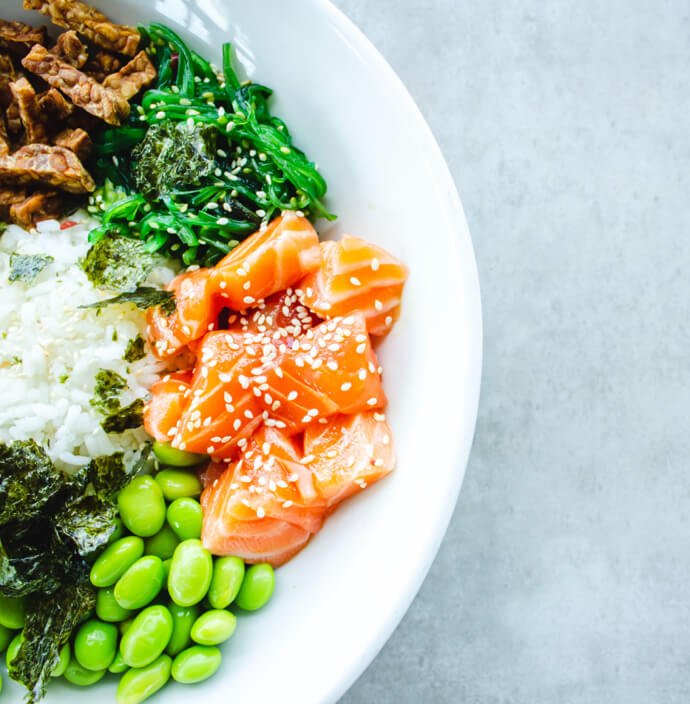
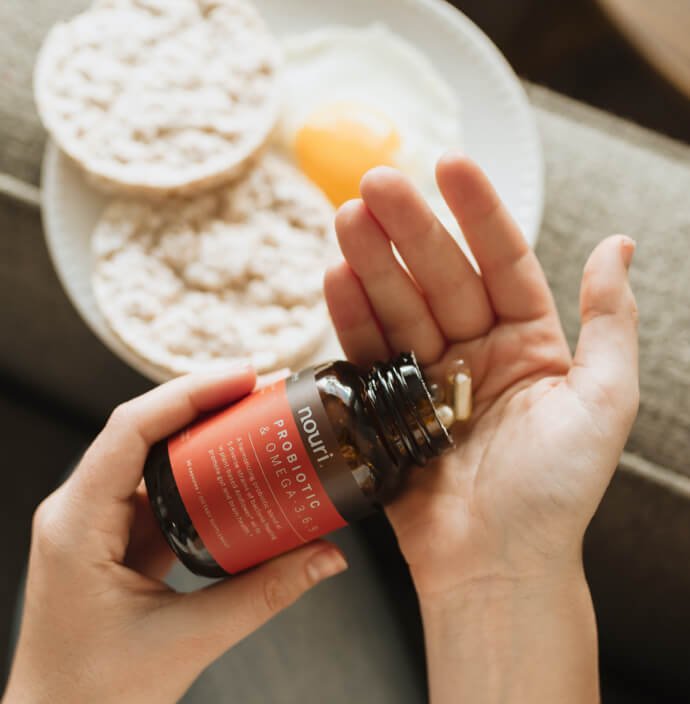
Food sources include oily fish, egg yolks and products fortified with vitamin D. Supplement recommendations vary with age, risk factors and local guidance. Deliberate unprotected sun exposure is not a reliable dosing strategy.
Routine vitamin D testing is not recommended for every healthy person. A clinician can decide whether testing is appropriate and interpret the result alongside symptoms and risk factors. Excessive supplementation can be harmful.
Who may be at risk of low vitamin D?
Risk can be higher with limited sun exposure, older age, darker skin, conditions that reduce fat absorption, obesity or gastric-bypass surgery. A blood test should be interpreted in clinical context.
Frequently asked questions
Should everyone take a high-dose supplement?
No. Excess vitamin D can be harmful and may interact with medicines. Supplement dose should reflect age, diet, risk and professional advice.
Which foods contain vitamin D?
Fatty fish and fish-liver oils are among the richest natural sources. Egg yolks and some mushrooms contain smaller or variable amounts, and many countries fortify selected foods.
Source
NIH Office of Dietary Supplements: Vitamin D fact sheet
This article is general education. Discuss testing and supplementation with a qualified healthcare professional.