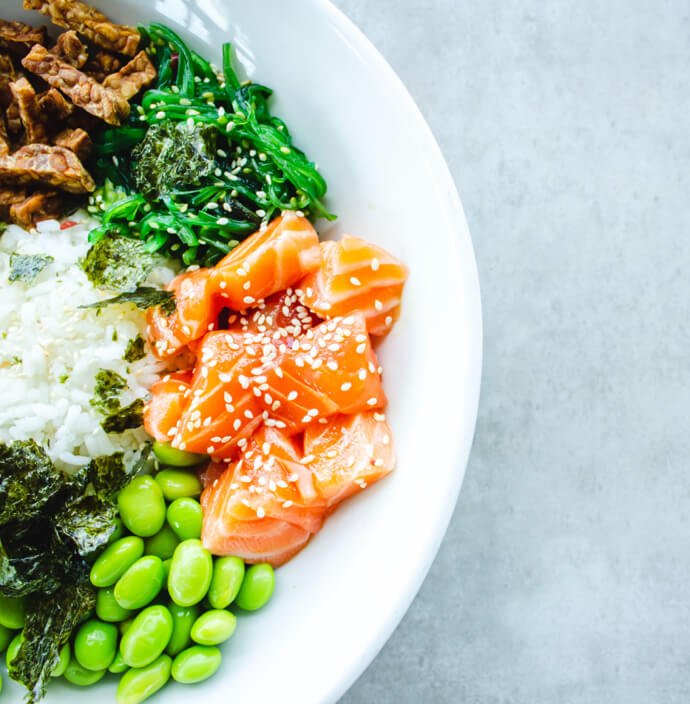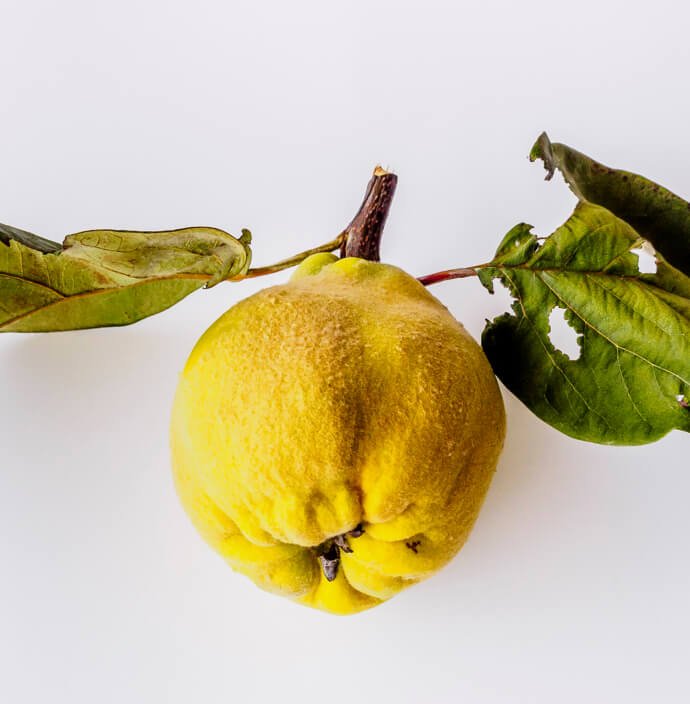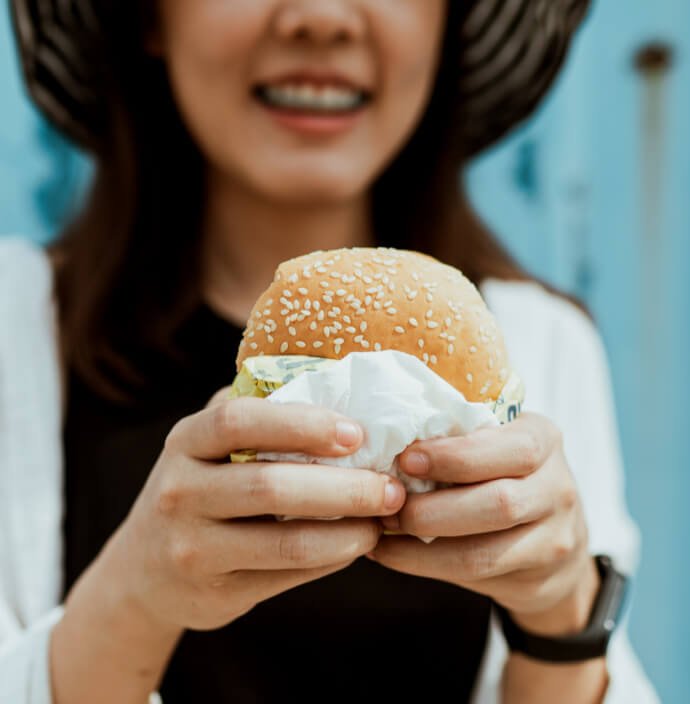

The nutrition shifts worth following in 2026 are higher-fibre whole foods, diverse plant foods, sustainable habits and more personalized guidance. Trends should strengthen the fundamentals of adequacy, balance, moderation and diversity—not replace them with restrictive rules or unvalidated tests.
Which nutrition trends are supported by evidence?
Nutrition trends can attract attention without adding useful evidence. Before adopting one, ask what outcome is claimed, who was studied and whether the advice fits your circumstances.
Fiber-containing foods, varied food choices and attention to individual needs are practical topics to discuss. A social-media trend does not establish that the average person has a particular deficiency or needs a new test or supplement.

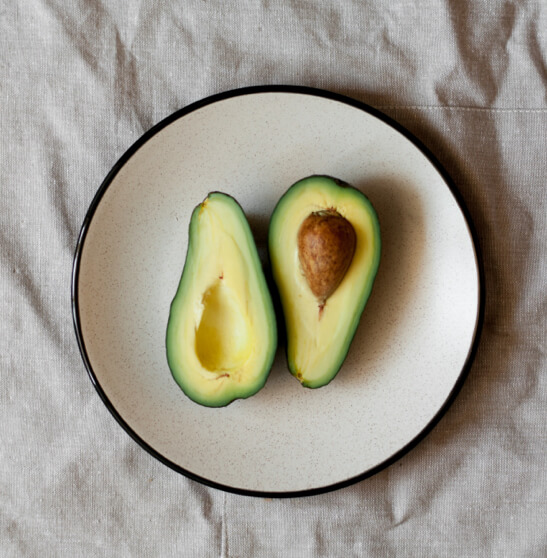
How to embrace these trends without losing balance
Choose manageable changes that suit your preferences and health needs. Increase fiber gradually if needed and review tolerance instead of copying a restrictive routine.
Marketing terms do not establish a product’s suitability for a person taking medication or managing a health condition. Ask what evidence supports the specific claim and discuss individual questions with a qualified professional.
What should not be treated as established fact?
Precision nutrition is a promising research field, but consumer tests and AI-generated meal plans vary widely in quality. Use them as inputs, not diagnoses, and involve a qualified clinician when health conditions or medications are relevant.
Frequently asked questions
Is fibre still a priority in 2026?
Yes. WHO’s updated healthy-diet guidance emphasizes whole grains, vegetables, fruits and pulses and recommends at least 25 g of naturally occurring fibre daily for people older than 10.
Is personalized nutrition proven?
Individual responses to food do differ, and NIH is actively studying precision nutrition. The field is developing, so claims should match the strength of available evidence.
Sources
This article is educational and trends may evolve as new research is published.